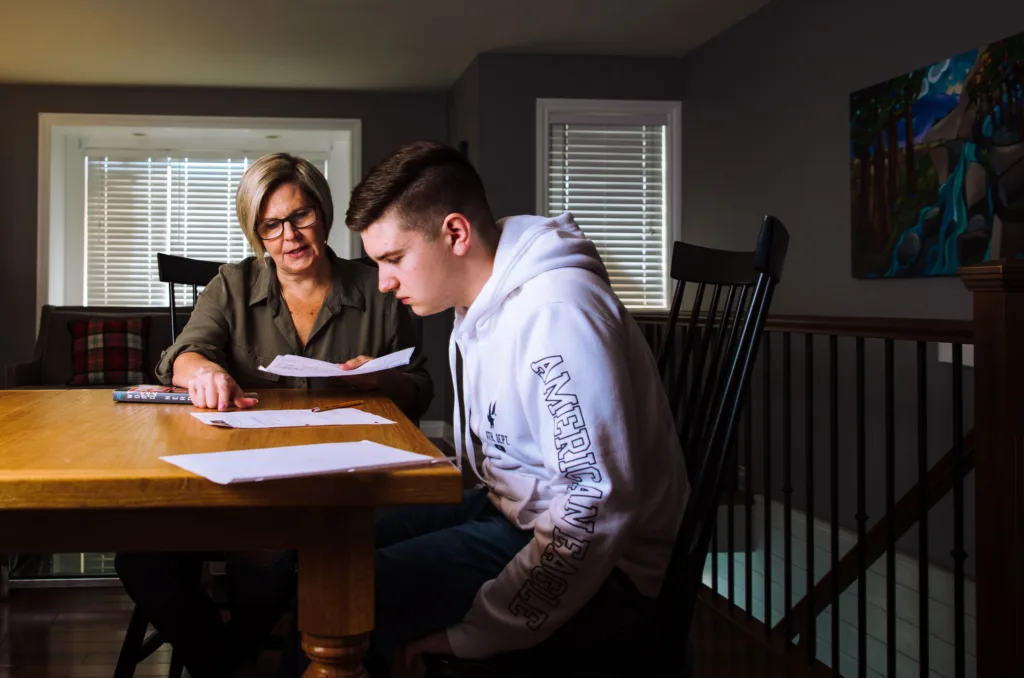
Supported decision-making is about ensuring people with intellectual and developmental disabilities have the information, relationships, and support they need to make their own decisions and have control over choices that affect their lives. Article 12 of the UNCRPD recognizes that people with disabilities have legal capacity — meaning the inherent right of all people to hold and exercise rights, including making important decisions. This was an important win in the advocacy for disability rights. Supported decision-making is a practical way of recognizing that people with disabilities, like everyone else, have the right to make decisions about their own lives, with support when needed.
Loved ones often play an important role in helping one another understand options, communicate wishes, and explore possibilities. This equally applies to people with disabilities. These trusted relationships can be the foundation of supported decision-making. However, it is important that support does not take over. Every person deserves to have their preferences, needs, and independence respected.
Families play an important role in nurturing self-determination, beginning in childhood and continuing into adulthood. Learning to make decisions takes time, practice, and patience. Families can help by encouraging their children to explore interests, make choices, learn from mistakes, and develop confidence in expressing what matters to them.
It is never too late to begin supporting self-determination. Growth, confidence, and decision-making skills can be nurtured at any stage of life through everyday actions such as offering meaningful choices, listening without rushing, respecting decisions, allowing time to process information, honouring ways of communicating, and following the person’s lead. Sometimes, this means stepping back and allowing someone to try something new, even when there is uncertainty about the outcome. Learning from experience is an important part of growth, and every opportunity to make choices can help build greater confidence, independence, and self-determination over time.
Families often become passionate advocates because they know their loved one’s potential and have worked hard to ensure others see it too. While that advocacy remains important, supporting self-determination and decision-making means recognizing that every person has the right to make their own decisions about their daily lives. The goal is not to step away, but to stand beside the person as a trusted ally. Everyone can continue to learn, grow, and take greater control over their own life when they are supported to express their preferences, make decisions, take risks, and shape their own future with confidence.
Ultimately, supported decision-making is about planning with a person, not for them. It means recognizing that everyone has a will and deserves the opportunity to shape their own future. With patience, trust, and a willingness to learn together, families can help their loved ones build the confidence and skills to make their own decisions and live in ways that matter most to them.
To learn more about the foundation of supported decision-making, we invite you to check these resources:
- What is supported decision-making? By Nidus.
- What is supported decision-making? By Nidus.
- Legal Capacity by Inclusion Canada – Why it matters and position statement.
- Recognizing Capacity by Durham Association for Family Resources and Support, ON.
- Conversation guide for Talking about Legal Capacity by Inclusion Canada.
- Tool Communicate CARE to support decision-making in health care for adults with intellectual and developmental disabilities, by Surrey Place, ON.

This article was featured in our monthly newsletter, Inclusion in Action.
Share this with your network: